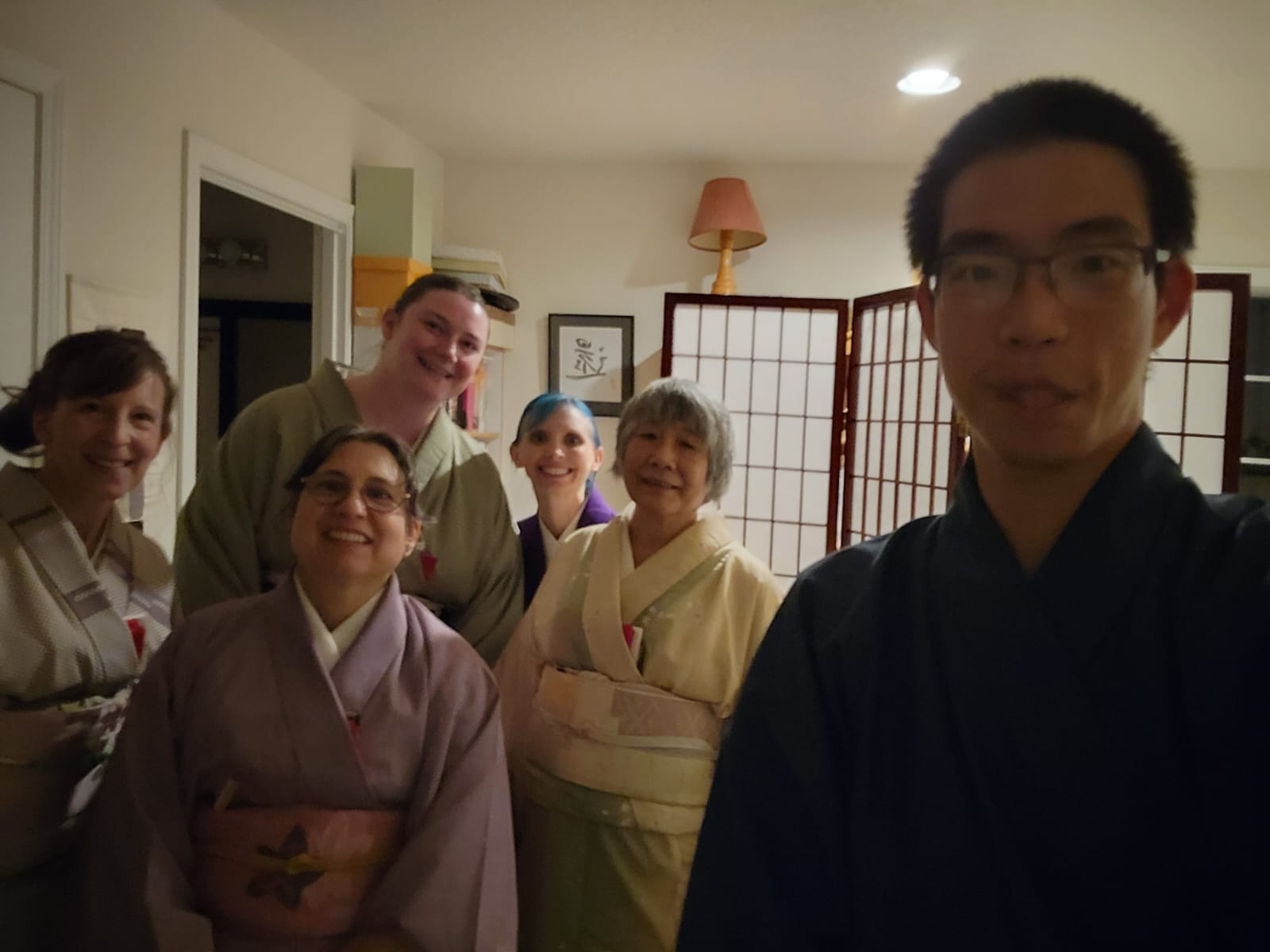
It was a busy summer at Issoan Tea. We concluded an Introduction to Chado class with 4 new students, and a Ryakubon class with 4 returning students. Regular students continued weekly classes, with advanced Shikaden classes on Friday, and once a month Okuden class. There are also two teacher training classes meeting once a month. I will write more about the teacher training class at another time.
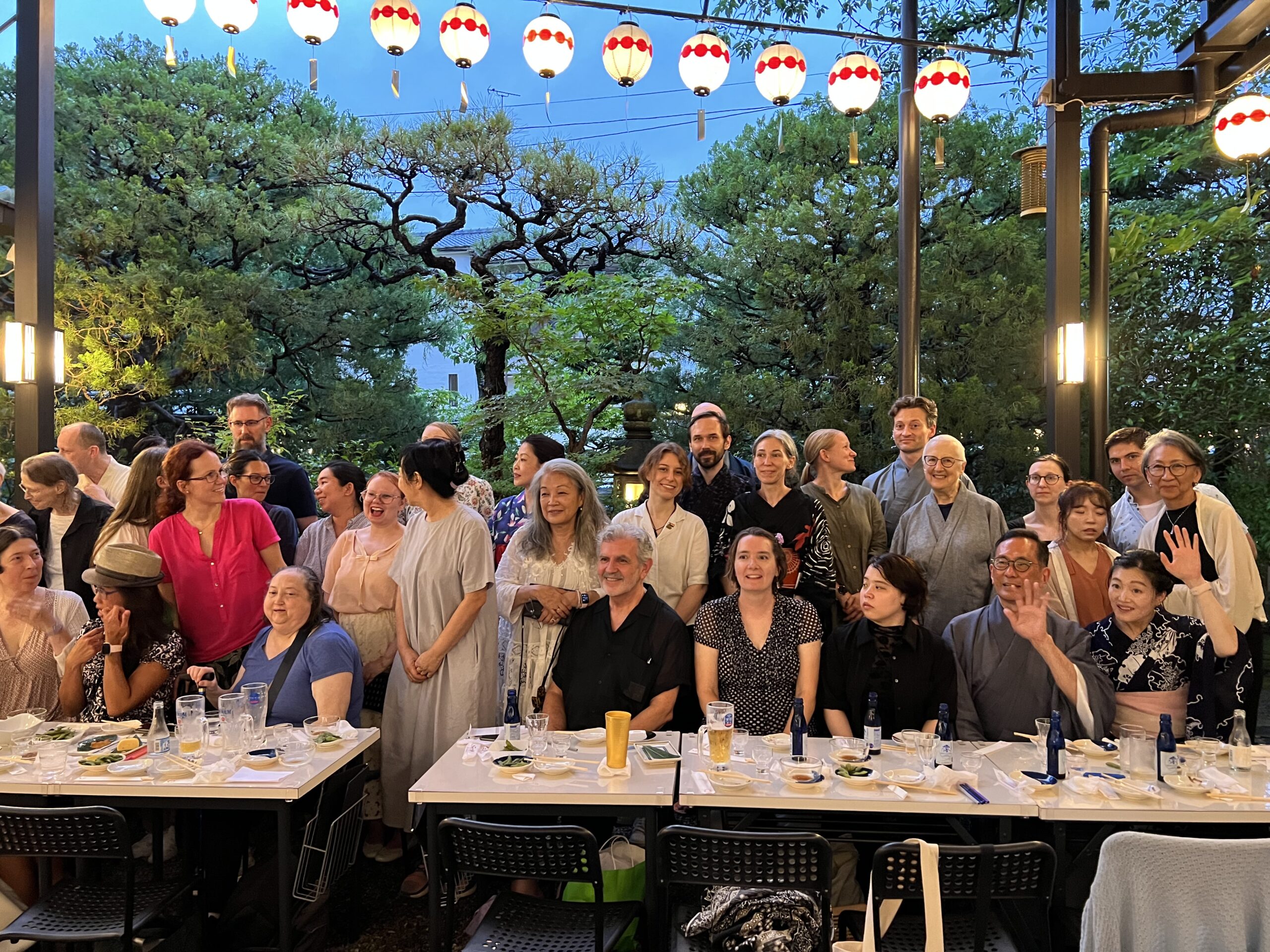 I also traveled to Kyoto for the Midorikai 50th reunion. It always seems like the 2 weeks I spend in Japan are just not enough time to attend activities, meet old friends, aisatsu teachers, go shopping, eat well and meet new friends. Perhaps next time I will schedule more time, but I always feel like I need to get back to the students.
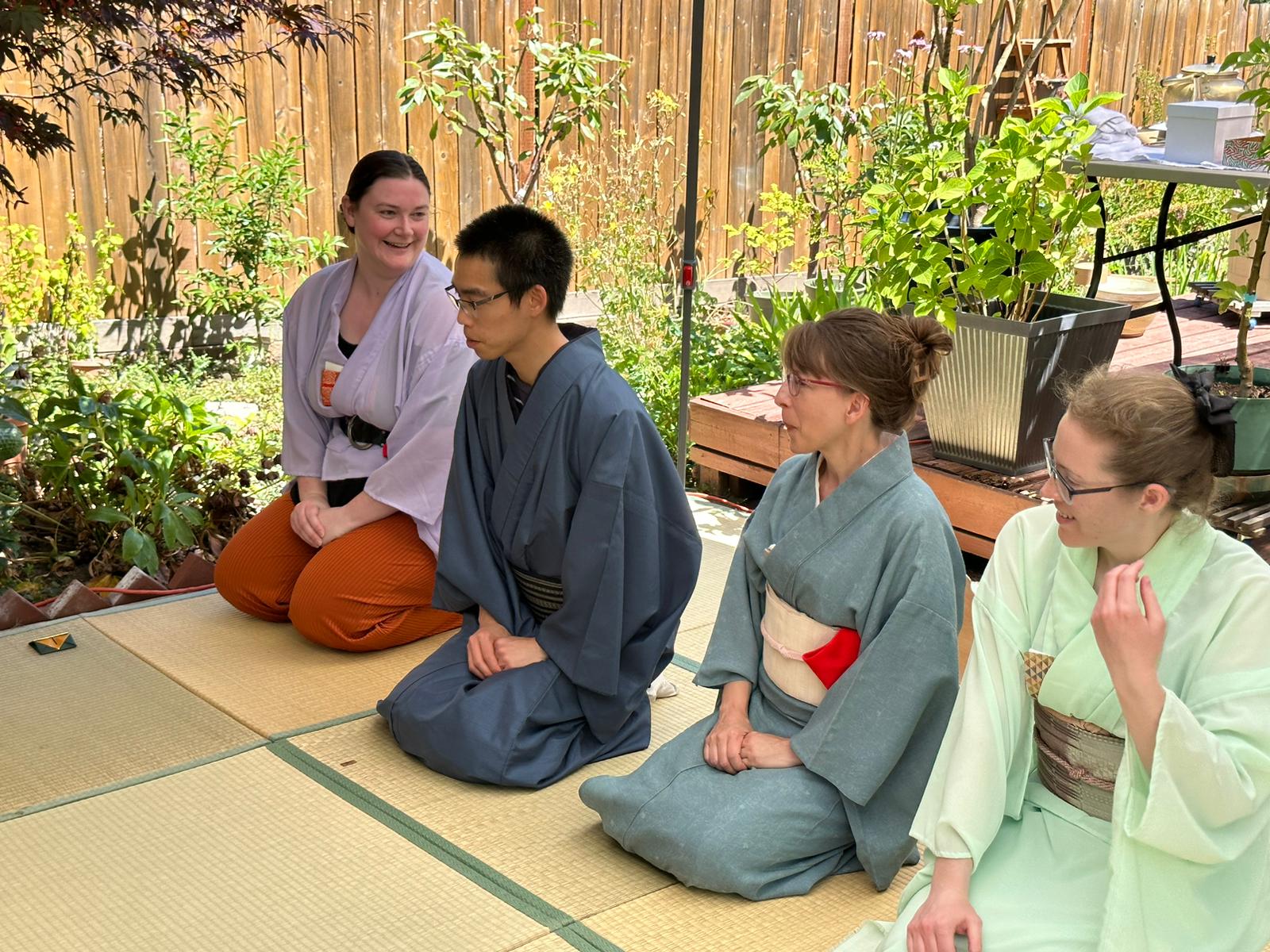
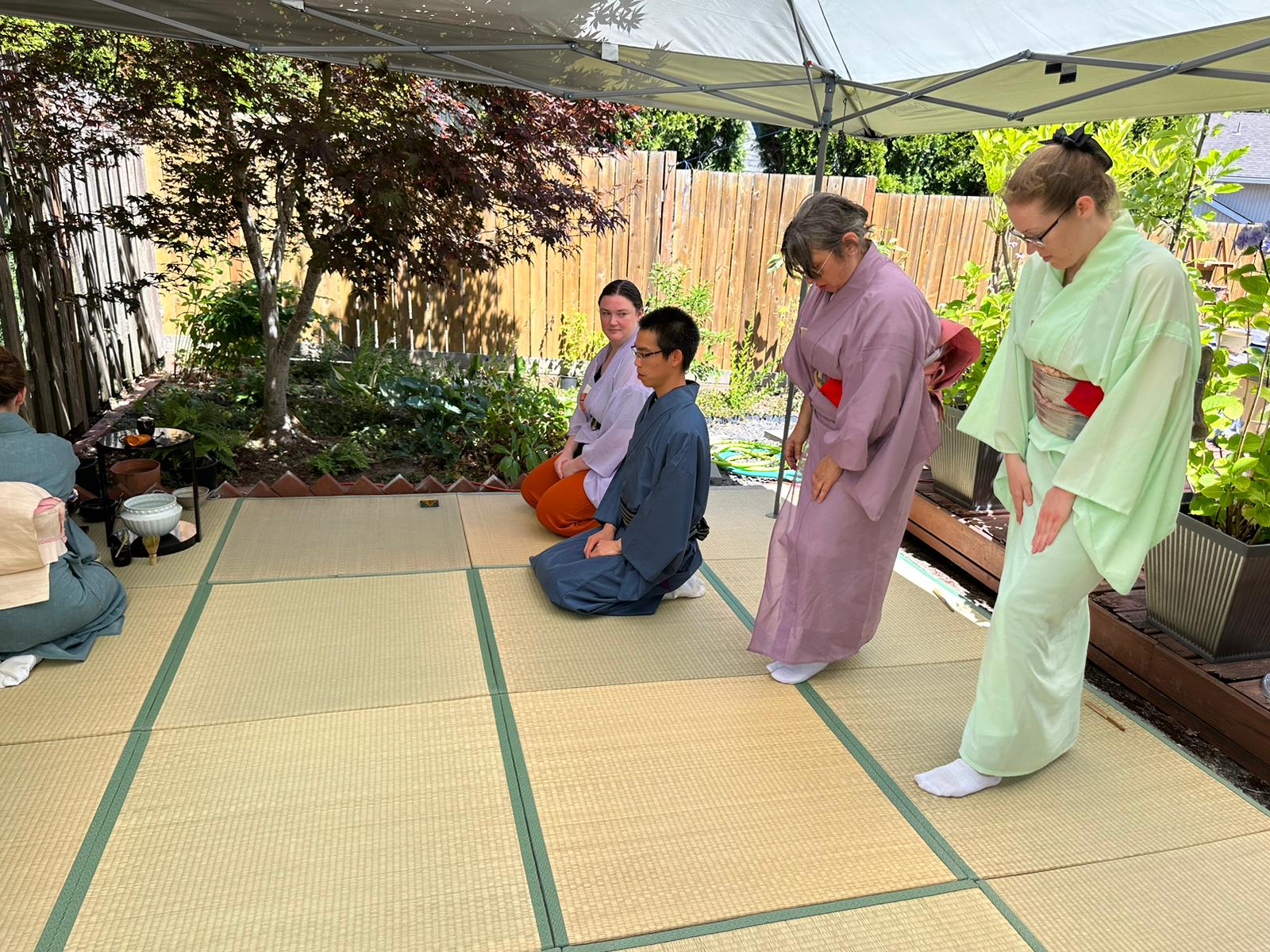
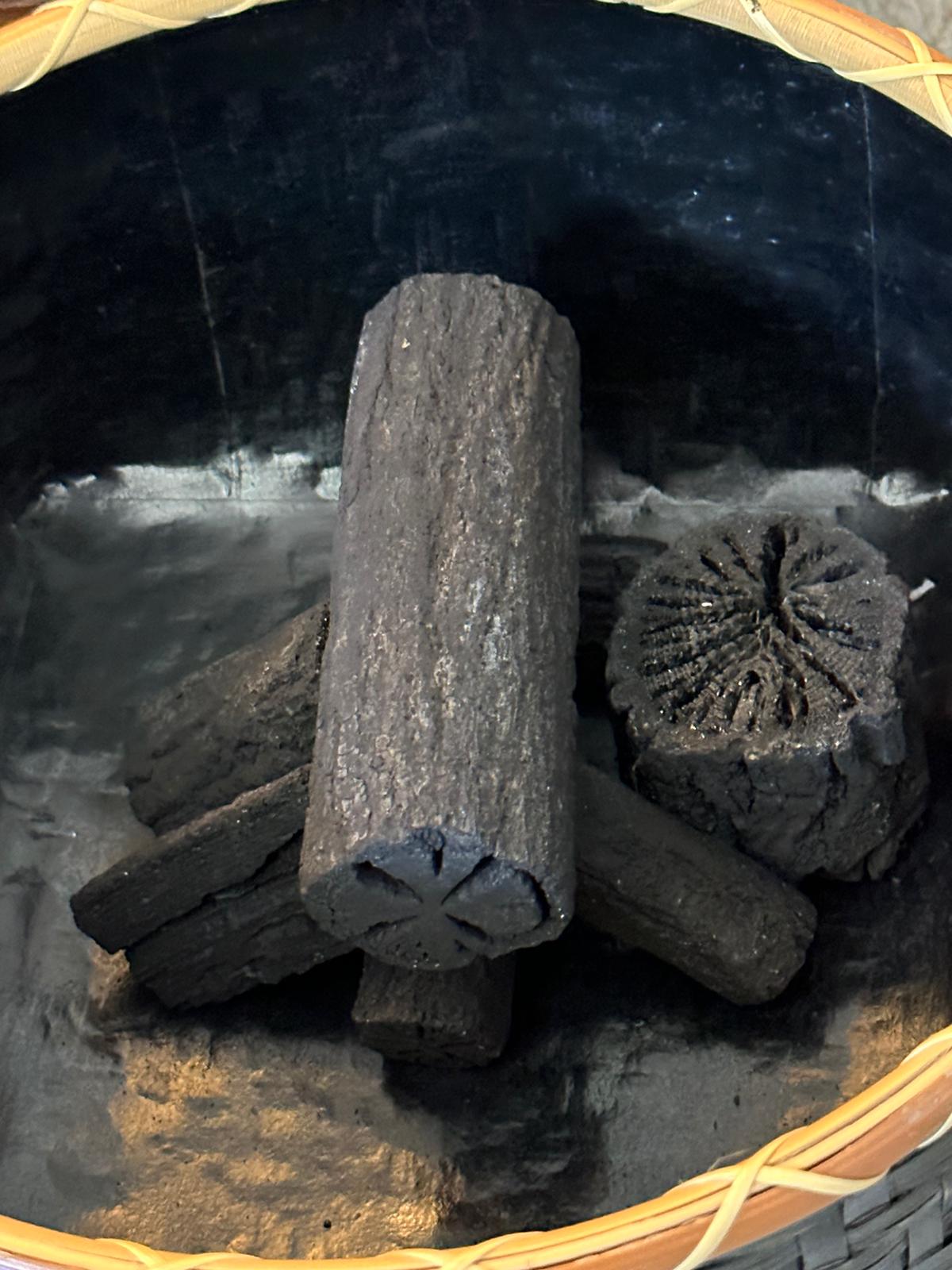
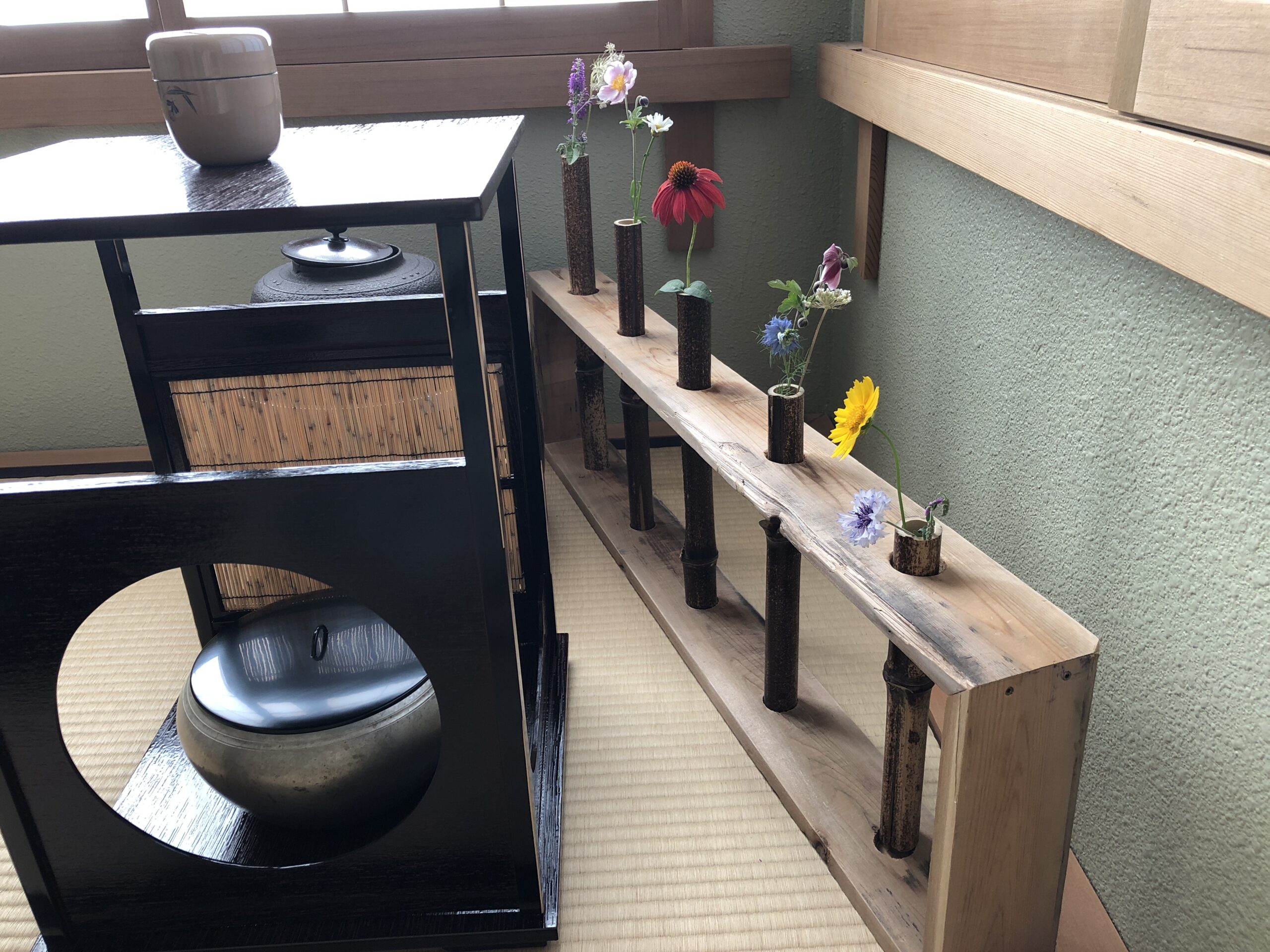
Two weeks from returning from Japan, Issoan hosted a summer intensive. There was a welcome chakai, hosted by me, and a kimono and dogu sale, and welcome dinner, the first day. The next two days were filled with kagetsu. Hira kagetsu, koicha tsuki kagetsu, sumi tsuki kagetsu, ko tsuki kagetsu, and shaza. We also had haigata practice and sumi demae lessons. 
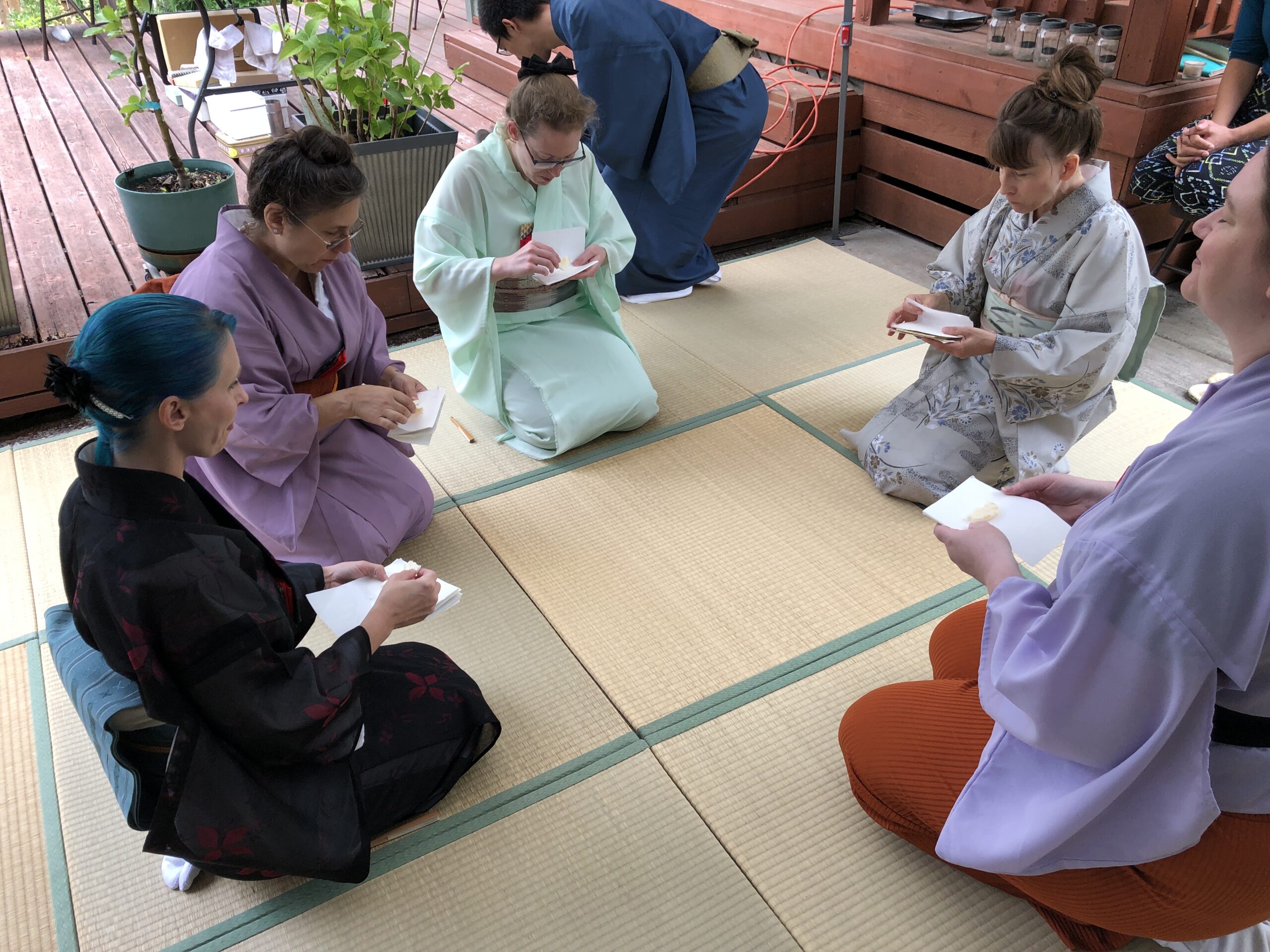
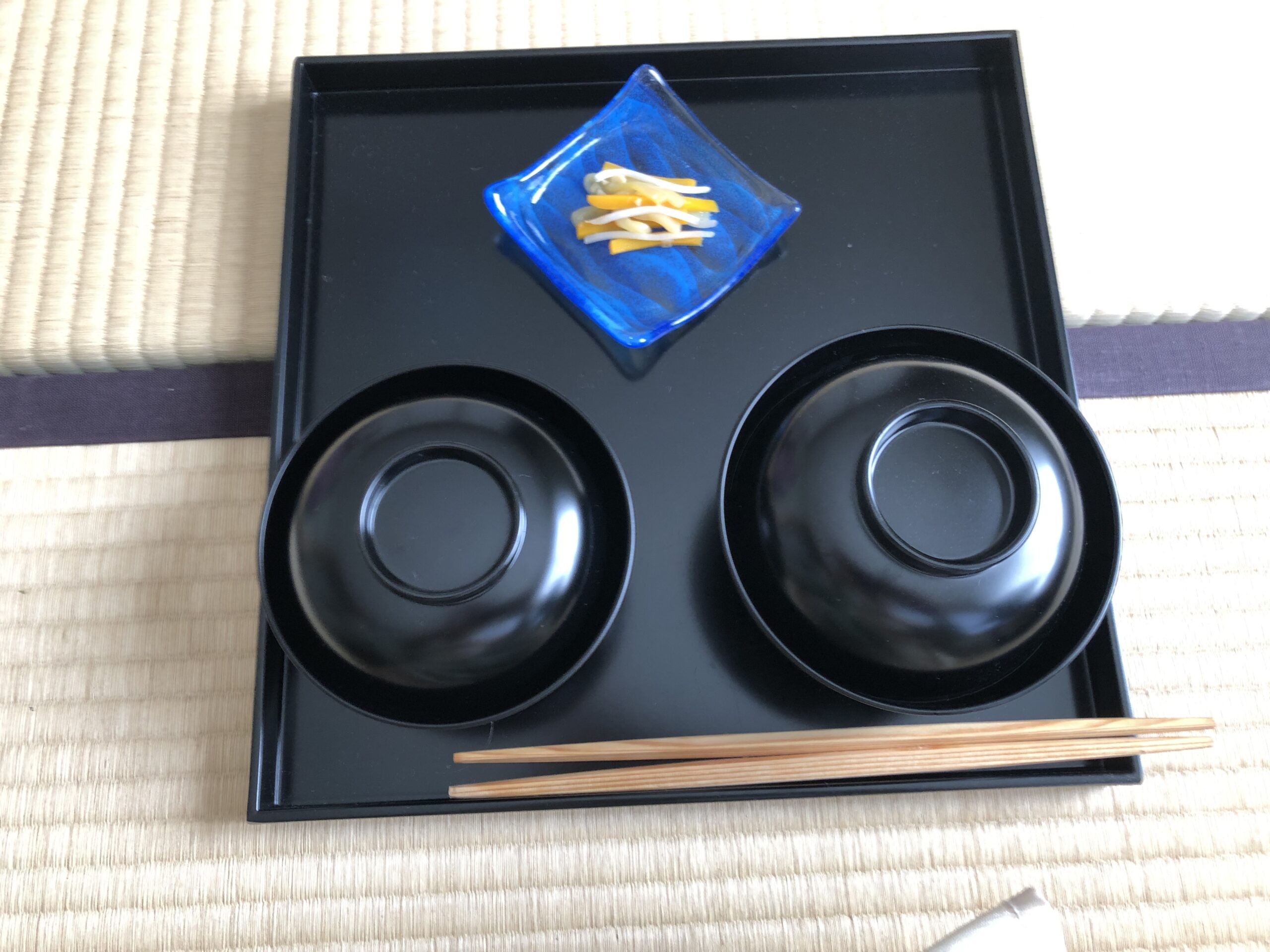
 Since most of the students had not been a guest at a chaji, we use the kaiseki dogu and had a lesson on a shogo no chaji kaiseki without food. Guests practiced with all the trays, bowls, plates, and serving utensils, and when to open them, where to put them and how to pass and serve the various courses in a full kaiseki. We even practiced chidori sakazuki, a confusing procedure where the host serves hassun, the food from the mountain and food from the sea, and serves each guest sake. The guest in turn serves the host sake in a zigzag kind of back and forth.
The next day we went food shopping and had a kaiseki cooking lesson. All the food we bought was prepped and cooked. Recipes and techniques were shared. The day after that, while the hosts who were preparing for chaji, other students attended a calligraphy workshop and chashaku carving.
 The highlight was the Yobanashi chaji that evening. It was amazing and lovely, and for me it was the culmination of 3 years of training with advanced students who finished the teacher training course. I could not have been more moved and more proud. We ended the intensive week with a farewell chakai (hosted by me) and farewell dinner.
And last weekend, I drove 150 miles to Seattle to attend the summer chakai on Vashon Island, hosted by Christopher Ezzell, at the tea house of the winter moon. This year he planned an entire chaji and as it turned out that I was the shokyaku. Even after all this time, I still get nervous with such responsibility, but with Christopher’s help and the help of the other guests, everybody had a great time. One thing about spending an extended time in the small space of the tea room, the guests really get to know one another. Being together and experiencing the marvels as each aspect of the chaji is revealed, from the first look at the scroll, to the taste of the shared koicha to the final goodbye, it bonds the group together in a profound way.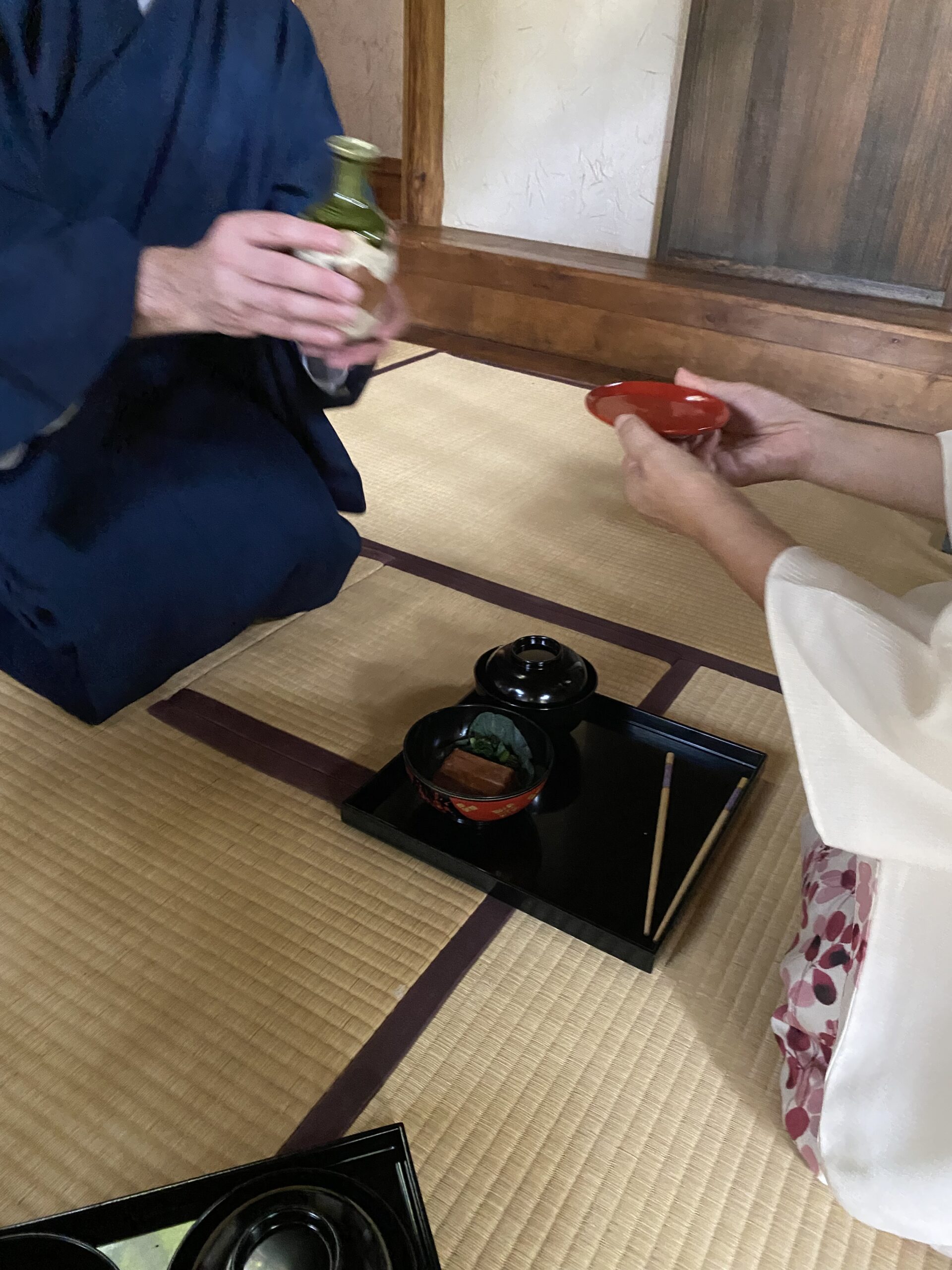
Another aspect of spending the 4 hours of time in the tea room I had not considered was the changing light. Pleasantly illuminated space, gave way to slanted shadows and deepening dusk as we made our farewells. 
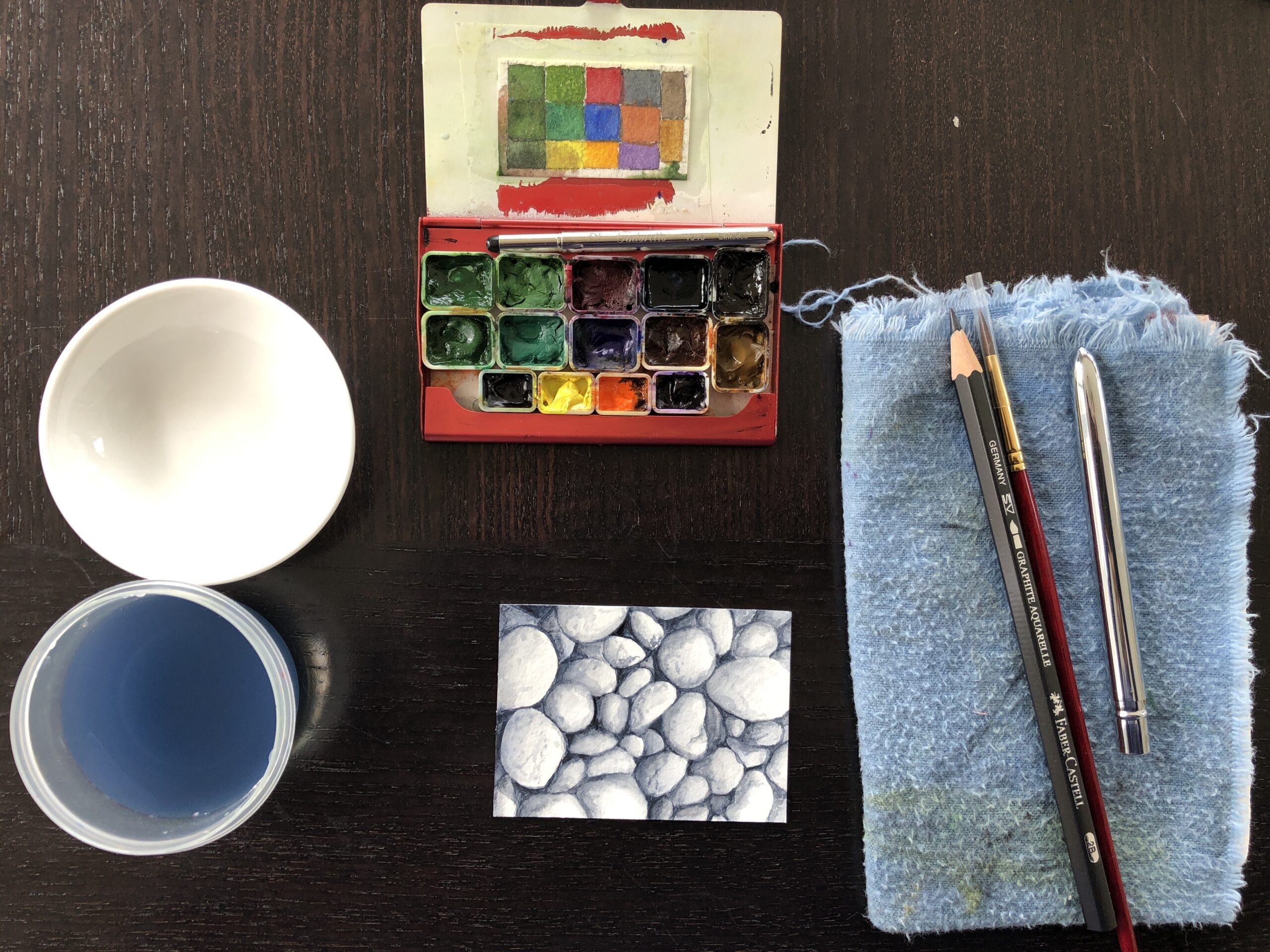
While I feel so incredibly lucky to be living the tea life, I am feeling a little burned out from these activities and am recharging by taking the month of September off. We are now at the Oregon coast watching the waves, reading and painting.